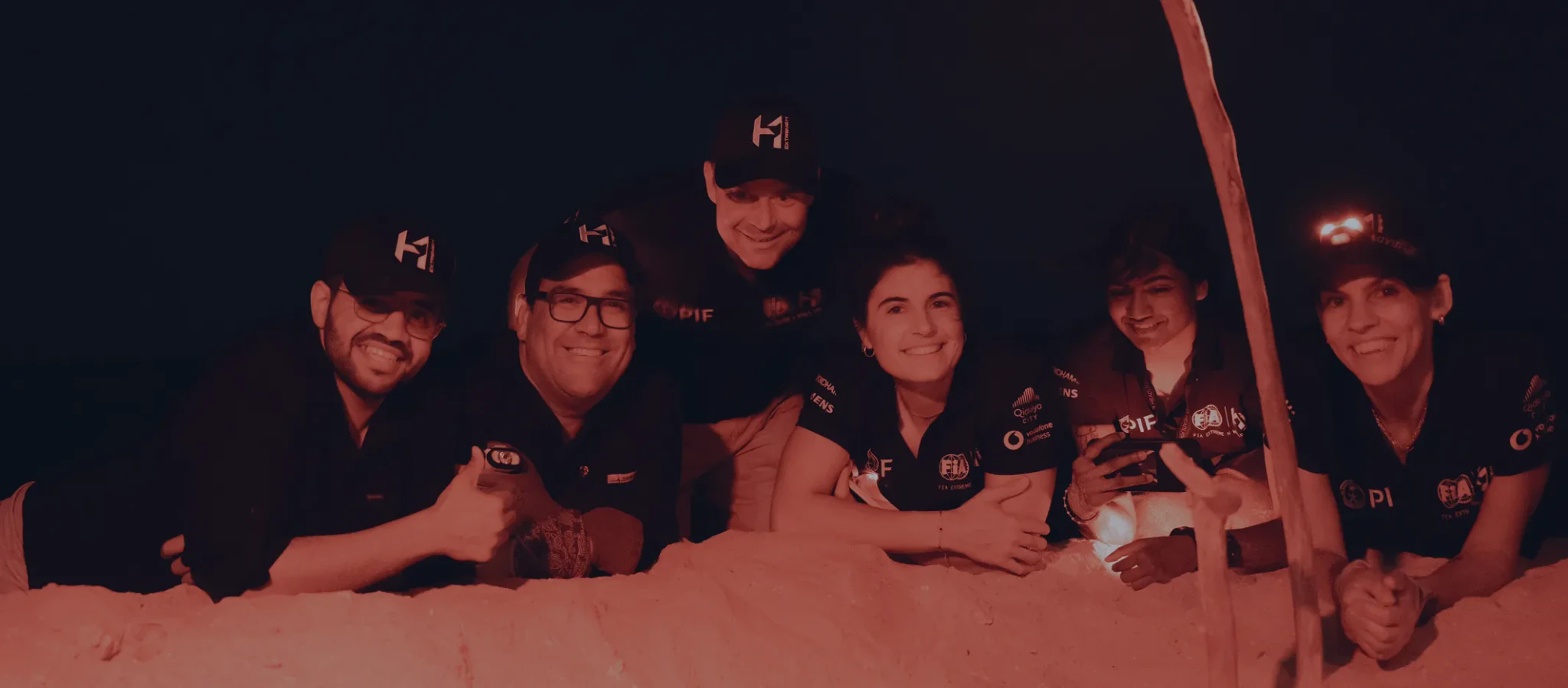
Season 1
Season 1 - 2021
-

Red Sea Turtle Conservation
Ras Baridi, Saudi Arabia
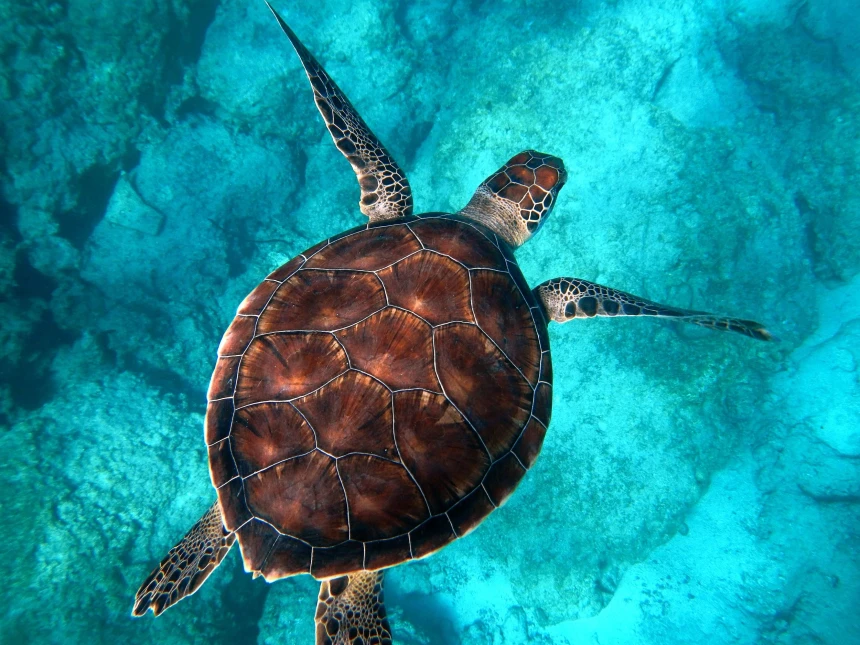
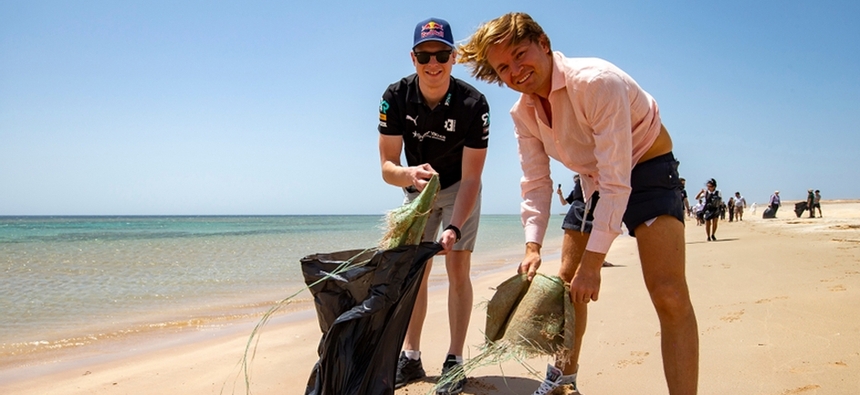
Extreme E partnered with the Ba’a Foundation and KAUST to embark on a five-year program supporting the Red Sea’s most critical nesting site for Green and Hawksbill turtles at Ras Baridi. During the race, teams carried out vital restoration activities, including the installation of beach fencing, nest relocation, and extensive litter collection, while newly deployed beach wardens ensured the safe passage of hatchlings to the ocean.
By addressing the threats of human activities nearby, the initiative successfully began repairing the fragile habitat and established a long-term conservation framework.
-

Mangrove Restoration
Lac Rose, Senegal
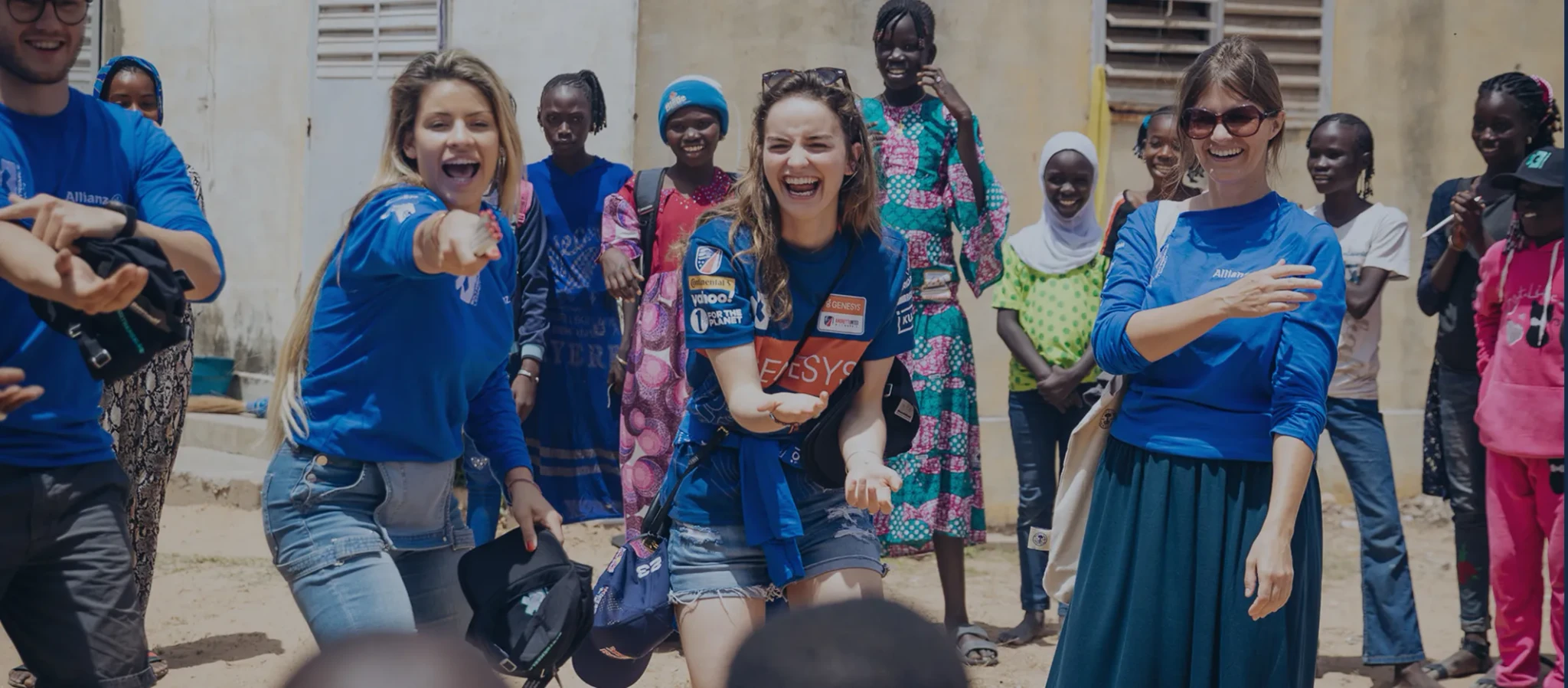
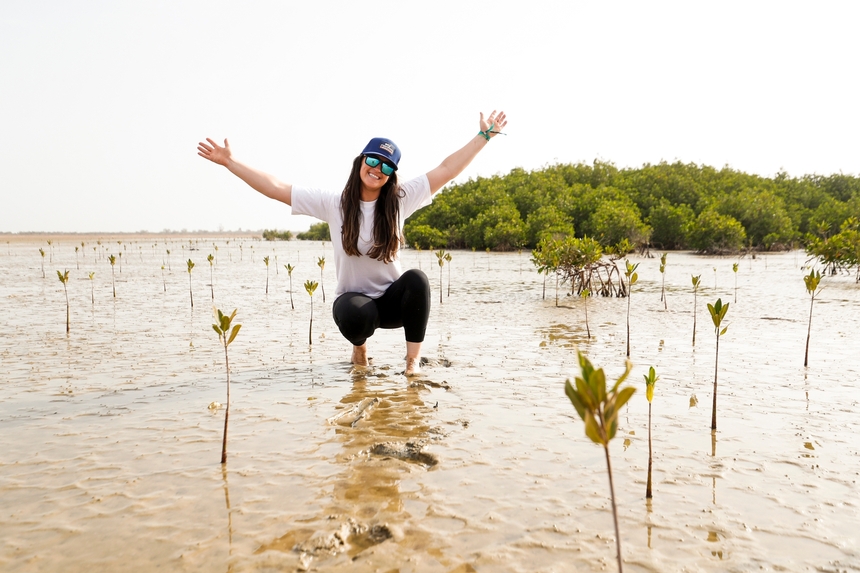
Extreme E collaborated with local organizations TO.org and Oceanium in Senegal to contribute to an ambitious project to plant one million mangrove trees across 60 hectares of vulnerable coastline.
This initiative restored vital marine nurseries and strengthened coastal defences against rising sea levels, providing long-term food security for local communities, while sequestering significant volumes of carbon. Through re-establishing the ecosystem, the partnership forged a lasting positive legacy to protect biodiversity and strengthen coastal resilience.
-



Clean Energy & Climate Education for Schools
Kangerlussuaq, Greenland
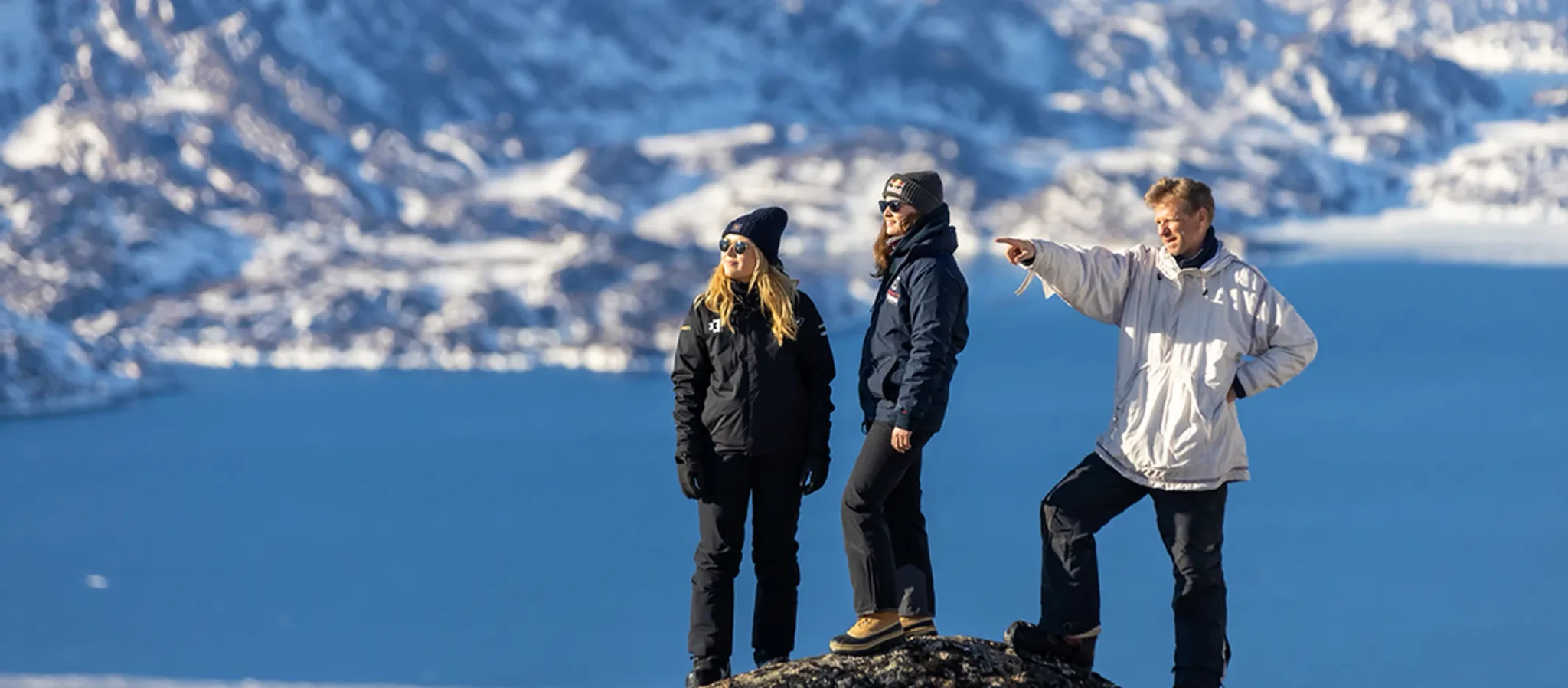
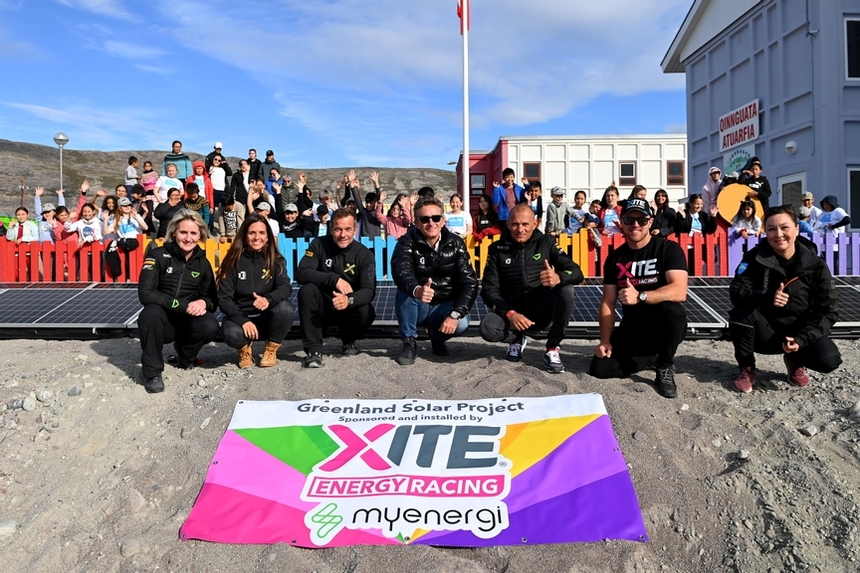
In partnership with UNICEF, Extreme E empowered young climate changemakers in Greenland by integrating climate education into the national curriculum, reaching 85% of the country's 8th-10th graders.
The series further supported the local community in Kangerlussuaq by collaborating with myenergi and XITE ENERGY RACING to install a 5kW solar array and 5.2kWh battery storage system at the local school. The project allowed it to operate completely off-grid with zero carbon emissions. By combining renewable technology with educational resources, the championship fostered a sustainable legacy that provided the next generation with the tools to navigate and mitigate the impacts of the climate crisis.
-

Blue and Green Carbon Habitat Restoration
Sardinia, Italy
Extreme E collaborated with the MEDSEA Foundation to launch a dual-track restoration project in Sardinia, focused on both marine and terrestrial ecosystems. The series replanted a half-hectare "forest for bees" in the wildfire-ravaged Montiferru region, using 1,500 native, nectar-rich plants to provide critical habitat for pollinators essential to global food security.
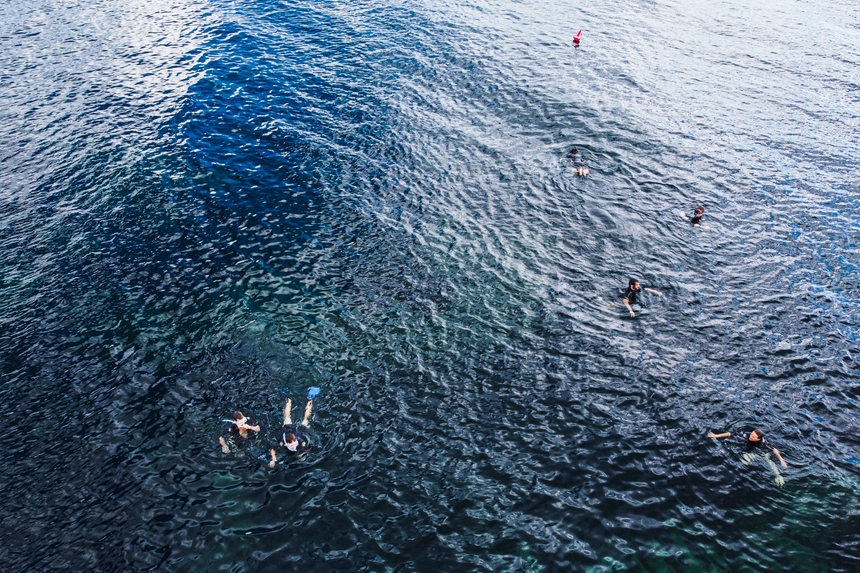
Offshore, the championship worked to replenish Posidonia oceanica seagrass meadows, the "lungs of the Mediterranean", which sequester carbon up to 30 times more efficiently than tropical rainforests. By combining these nature-based solutions with cutting-edge IoT sensors from Vodafone Business for early wildfire detection, the project protected biodiversity, fortified coastal defenses, and created a scalable blueprint for climate resilience.
-
Reintroducing Beaver Populations
Dorset, United Kingdom
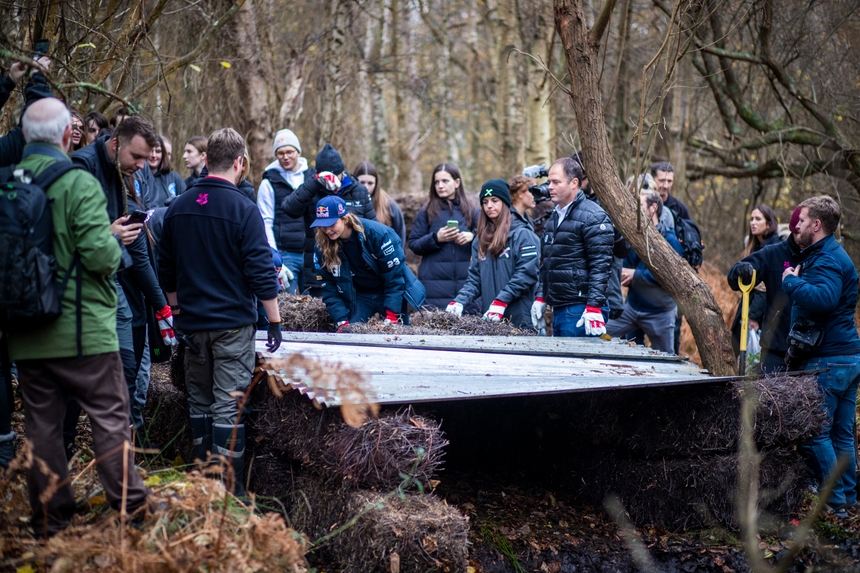
By 2021, Dorset’s Purbeck Heaths had been designated the UK’s first super National Nature Reserve, bringing together 11 priority habitats including heathland, wetlands, and dunes. Despite this rich landscape, the UK’s biodiversity had fallen to just over 50 percent, placing it among the lowest globally and putting these ecosystems under serious pressure.
Extreme E supported the National Trust by contributing to conservation efforts at Purbeck Heaths. Work included the planned reintroduction of beavers to Studland’s dune wetlands, the restoration of freshwater fens and pools, improvements to water quality and carbon storage, measures to reduce flood risk, and community engagement through protection and education activities.
-

Forest Restoration Through Agroforestry Establishment
Amazon Rainforest, Brazil
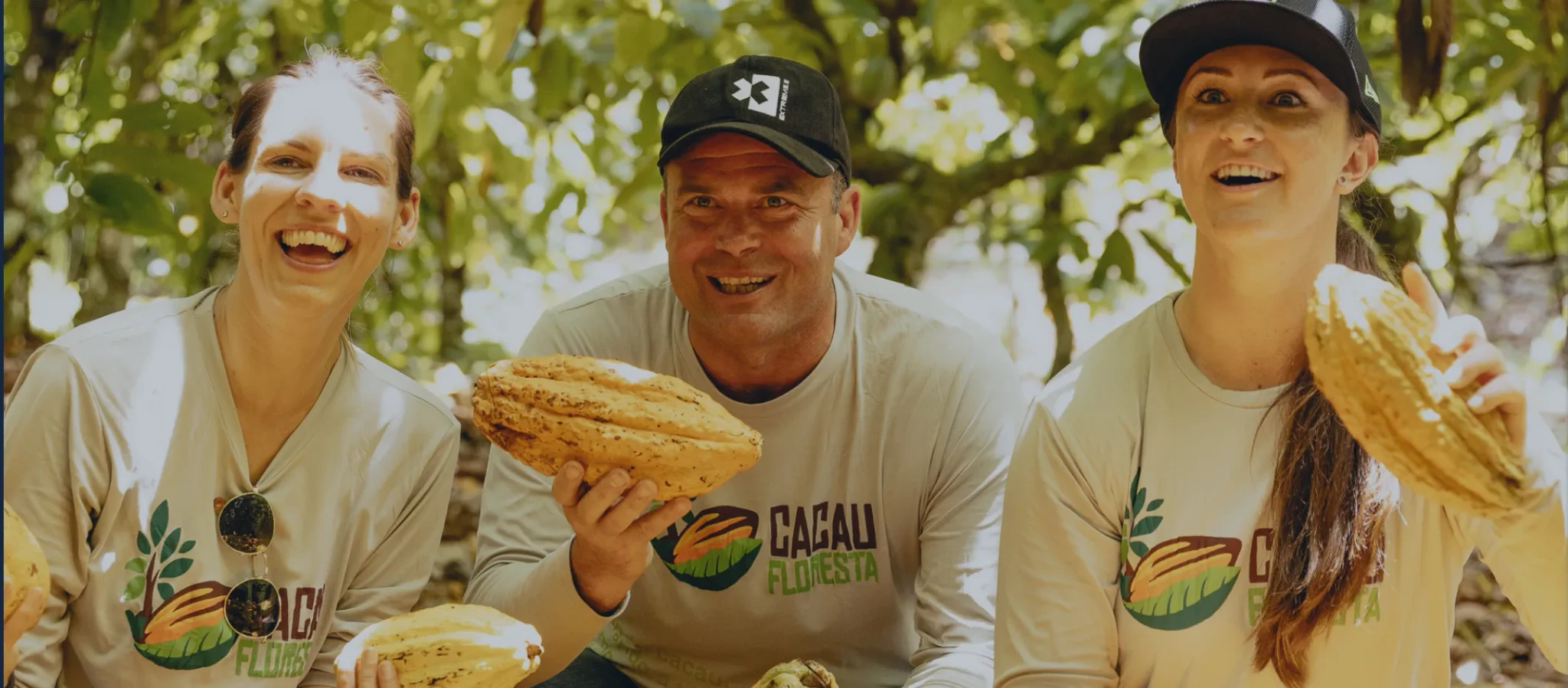
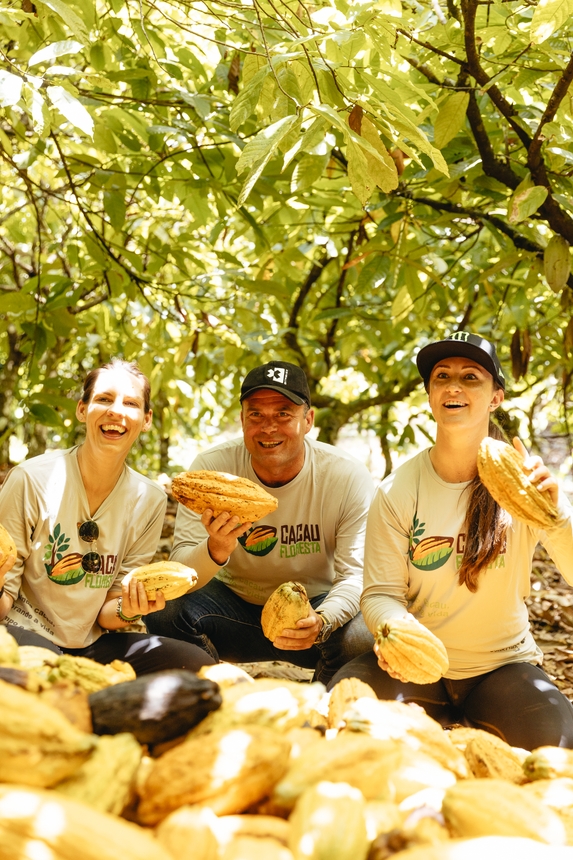
Extreme E partnered with The Nature Conservancy (TNC) to establish a 100-hectare cacao-based agroforestry project on degraded pasturelands, preventing the release of nearly 150,000kg of CO2 and benefiting hundreds of local families.
With vast tracts of the Amazon cleared for traditional farming, the agroforestry initiative provided a powerful two-fold solution - by cultivating high-value cocoa crops alongside native trees, the project captured significant carbon, restored vital wildlife habitats, and fostered sustainable livelihoods for the community.
Season 2
Season 2 - 2022
-
Red Sea Turtle Conservation
Ras Baridi, Saudi Arabia
The second year of the Ras Baridi project focused on the establishment of a rigorous monitoring programme, led by KAUST and Beacon Development Company. This phase was defined by the further training and deployment of local wardens to implement GPS tagging and the use of drone-based thermal monitoring to track nesting patterns.
These efforts were instrumental in gathering the longitudinal data, including monitoring 332 individuals which identified 22 turtles returning after thirty years, proving that the consistent protection of the site was successfully fostering a generational recovery for Green and Hawksbill turtles.
-
Blue Carbon Habitat Restoration
Sardinia, Italy
Extreme E accelerated its "Blue Carbon" mission by returning to Sardinia to expand the restoration of Posidonia Oceanica seagrass meadows alongside the MEDSEA Foundation, who goal was to restore at least 5,000 hectares of meadows by 2030.
By revitalizing these marine nurseries, the project not only locked away significant carbon but also restored the biodiversity essential for the Mediterranean’s long-term ecological health.
-
Green Carbon Habitat Restoration
Sardinia, Italy
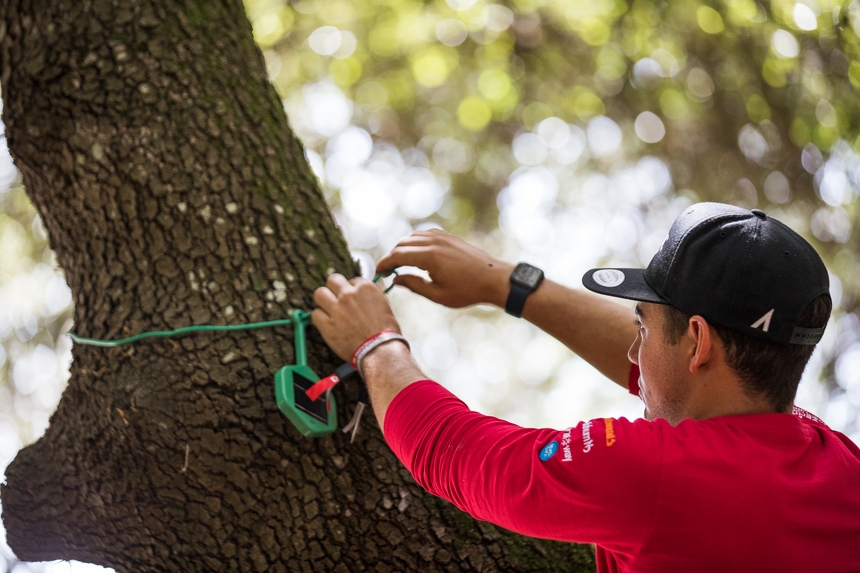
To combat the 2021 wildfire aftermath, Extreme E jointly launched the "Forest for Bees," project with MEDSEA planting 1,500 nectar-rich shrubs to restore habitats for vital pollinators. To further protect the island, the championship partnered with Vodafone Business to deploy an IoT ultra-early detection system.
These long-life sensors identify gas emissions during the "smouldering" phase, allowing authorities to intervene before a fire reaches the canopy creating a high-tech, scalable shield for both the environment and local communities.
-

Reintroducing the Loa Water Frog
Calama, Chile
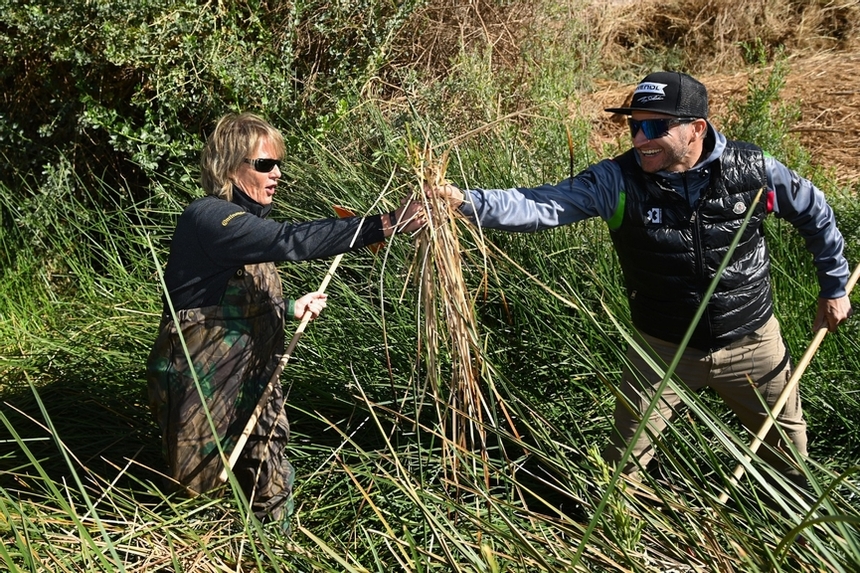
Extreme E drivers and teams joined forces with the Museum of Natural and Cultural History of the Atacama Desert to prepare a release site for the critically endangered Loa water frog. This unique amphibian, endemic to the Loa River, acts as a vital environmental indicator and natural pest control for the ecosystem.
Supported by Antofagasta Minerals, the project cleared and restored essential habitat to facilitate the frog’s return, providing critical scientific insights to guide future conservation and safeguard the health of this delicate desert environment.
-

Strengthening Marine Conservation
Punta del Este, Uruguay
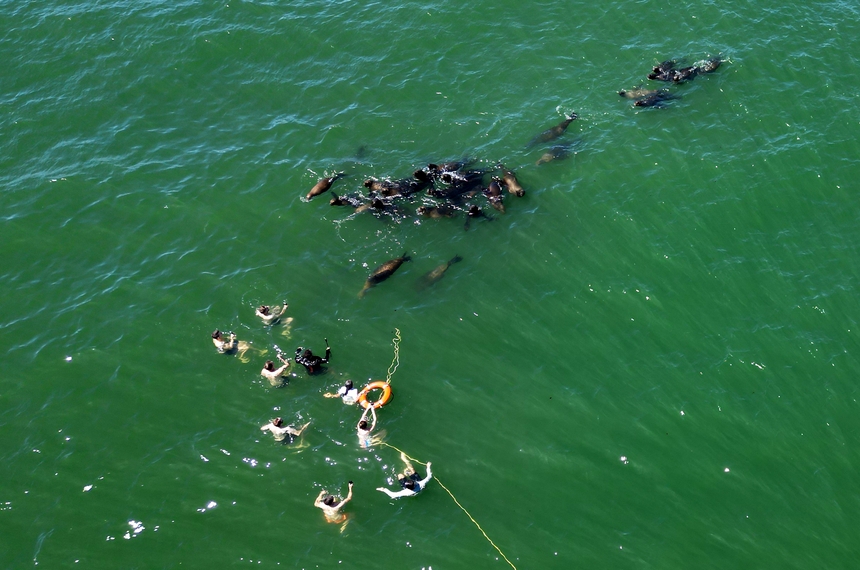
In Uruguay, Extreme E championed marine biodiversity by supporting the Organización para la Conservación de Cetáceos (OCC) to protect over 26 species of whales, dolphins, and porpoises. This partnership funded the hiring of specialized biologists to drive research and a redesigned community engagement strategy that blended science, arts, and business to deepen local ocean education.
Beyond raising climate awareness, the initiative expanded the OCC’s whale photo-ID catalogue, strengthening long-term monitoring and promoting sustainable tourism. By empowering the community to reduce human pressure on coastal ecosystems, the project reinforced a lasting shield for Uruguay’s marine life.
-
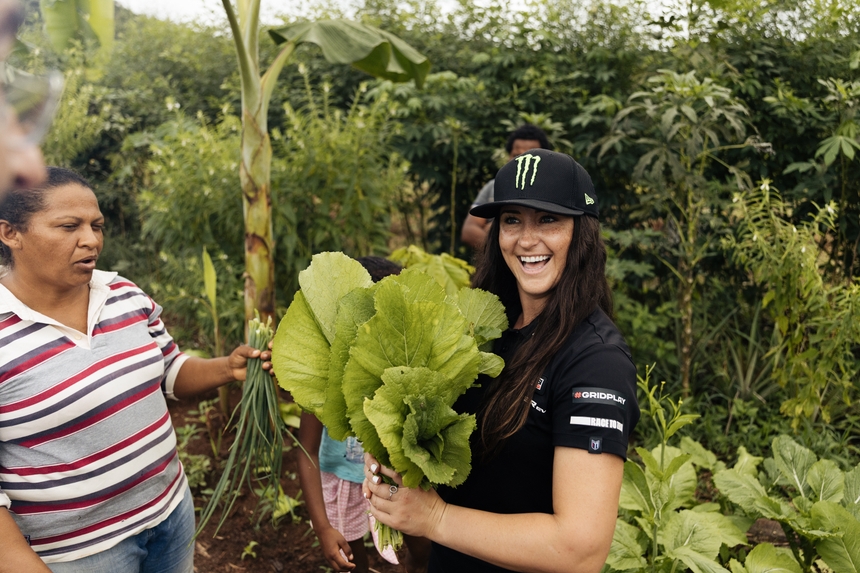

Restoring Agroforestry in the Amazon
Para, Brazil
The Extreme E team, including driver Sara Price and Scientific Committee Deforestation Expert Dr. Francisco Oliveria Filho, visited the Amazon as part of Earth Day 2022 to review progress on the legacy restoration efforts.
Led by deforestation expert Dr Francisco Oliveira and local non-for-profit organisation The Nature Conservancy, the group met rural producers in São Félix do Xingu and Tucumã to learn firsthand how agroforestry helped communities respond to climate-driven shifts in rainfall patterns and soil conditions. The visit observed nursery capacity doubling to 1,000 seedlings, and emphasised the importance of locally led, sustainable restoration practices in shaping long-term solutions.
-
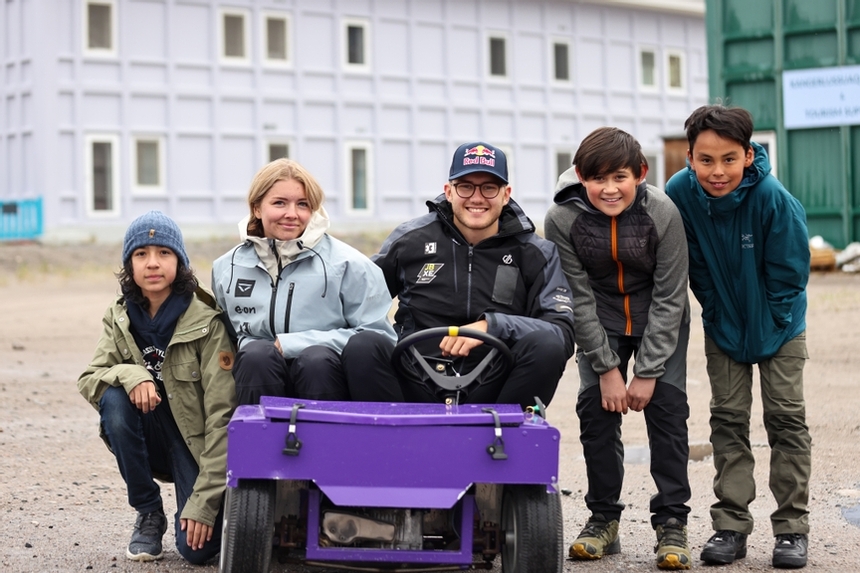
Climate Education and Engineering Inspiration
Kangerlussuaq, Greenland
Drivers Kevin Hansen and Hedda Hosås returned to Greenland to supercharge the series’ educational legacy at Kangerlussuaq School. After checking upon the previously donated solar array, the duo led a hands-on climate workshop for students, building on a curriculum that had reached 3,600 young people nationwide.
To fuel interest in sustainable engineering, the Danish Automobile Sports Federation (DASU) donated electric go-karts, which the students learned to drive under the drivers' expert guidance.
-
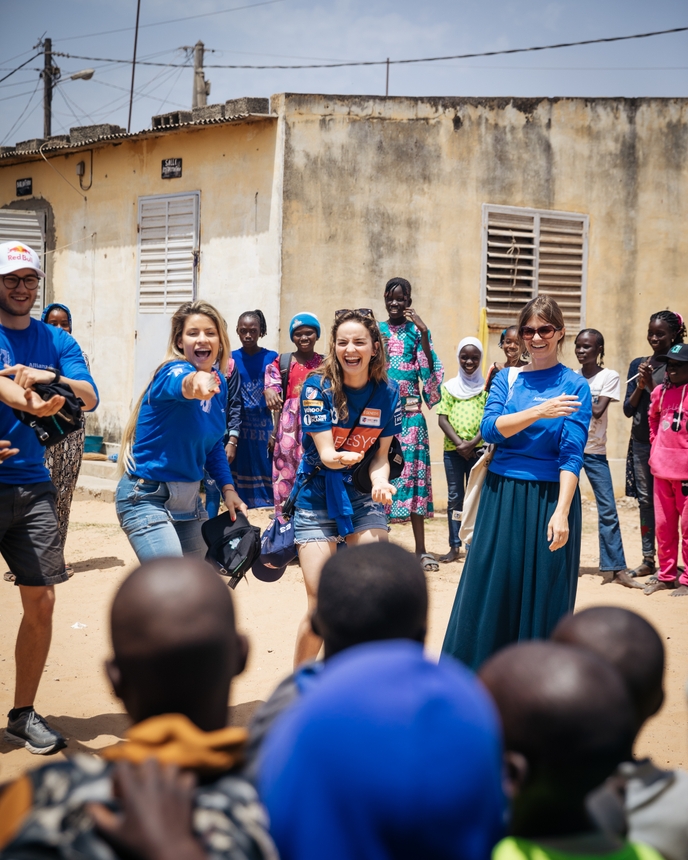
Mangrove Conservation & Circular Economy Education
Joal Fadiouth, Senegal
Extreme E drivers alongside Scientific Committee Ocean Expert Lucy Woodall revisited its Senegal Legacy Programme as part of the Million Mangroves project, which in a year had seen 864,000 propagules planted with a successful 80% survival rate, prompting the planting of a further two hectares.
The team also visited the progress of the EcoZone project at a local school, which empowered the next generation to take up sustainable farming techniques and plastic pollution education. During the visit, students continued their implementation of sustainable farming techniques and the building of ‘Ecobriques’ out of waste plastic, which enabled them to build their own toilet block and benches.
Season 3
Season 3 - 2023
-
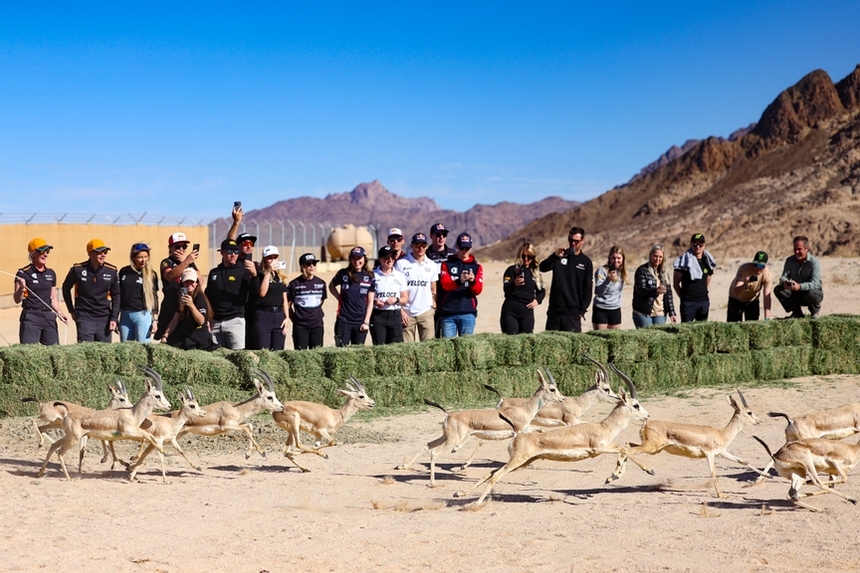

Rewilding Native Animals and Regreening
NEOM, Saudi Arabia
Extreme E’s work in the NEOM Nature Reserve was approached with a two-pronged rewilding and regreening effort. Teams assisted in the landmark release of Arabian oryx, red-necked ostriches, and Arabian sand gazelles, bringing the native species back to their ancestral roaming grounds for the first time in over a century.
To support them, the project contoributed toward the Saudi Green Initiative’s goal of planting 100 million native trees and shrubs by 2030, by replanting native trees and utilising recycled water to create a self-sustaining desert ecosystem. With 95% of NEOM's 25,000 km² being dedicated to nature, the mission helped to repair historical degradation to restore the landscape to its original, thriving state.
-
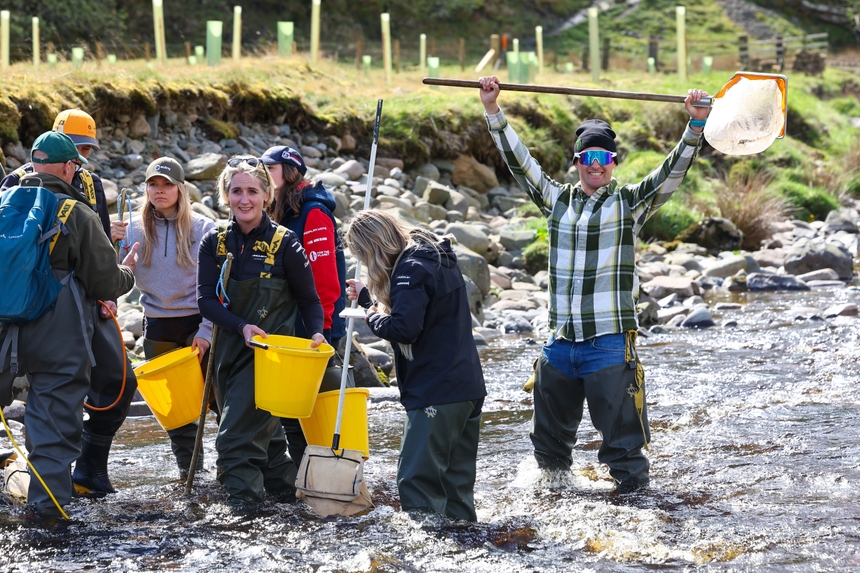
Restoring Critical Salmon Habitat
River Nith, Scotland
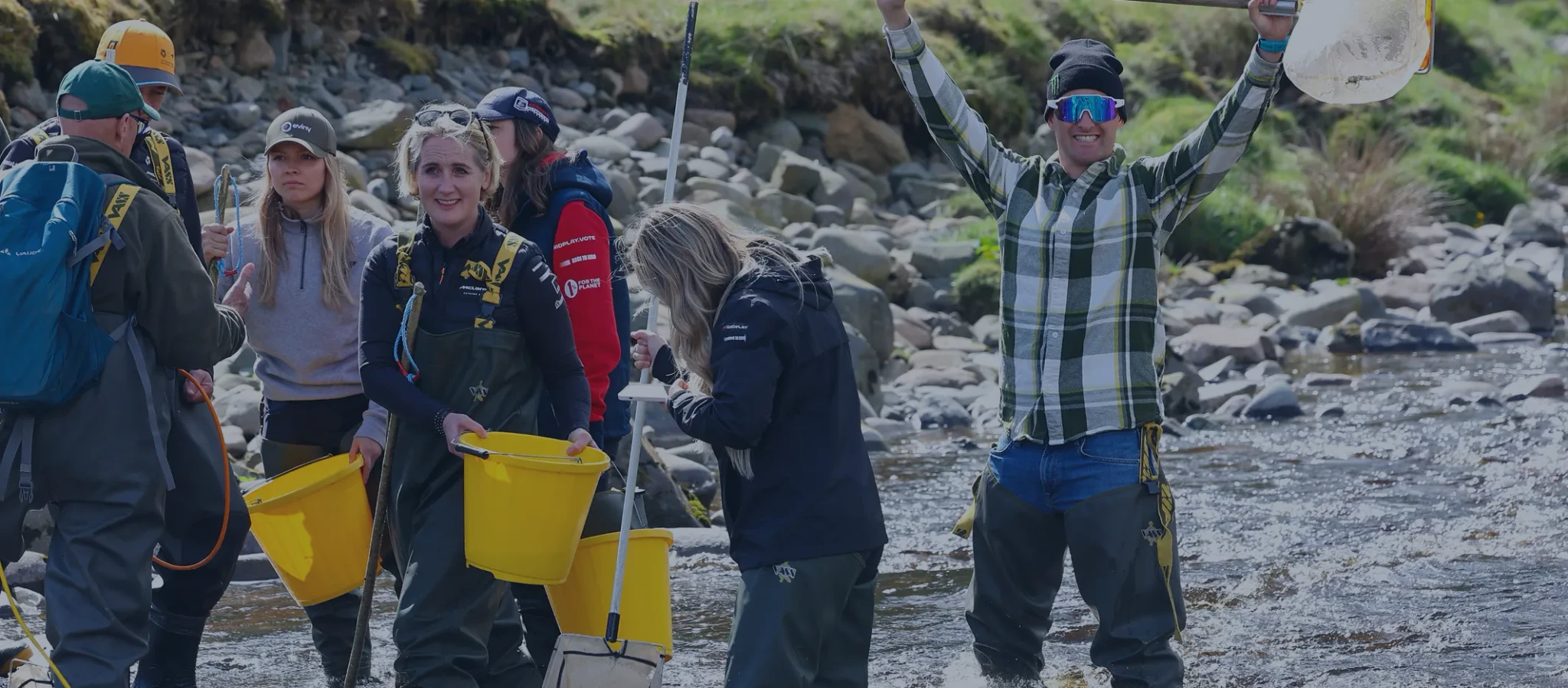
Protecting Atlantic salmon was the focus of a legacy programme on the River Nith, launched in partnership with the Hydro X Prix. In collaboration with the Nith District Salmon Fishery Board, the initiative enhanced riparian restoration through tree planting and fencing to reduce erosion and cool the river waters. Vodafone Business contributed by installing Hydrosense IoT sensors around the river corridor.
The devices monitored temperature, acidity, and pollution levels in real time, enabling faster intervention and allowing teams to evaluate the effectiveness of conservation activities such as habitat restoration and fish stocking. The remotely gathered data represented a significant improvement over traditional, infrequent manual sampling methods. This system strengthened salmon conservation efforts and demonstrated how technology could support ecological protection.
-
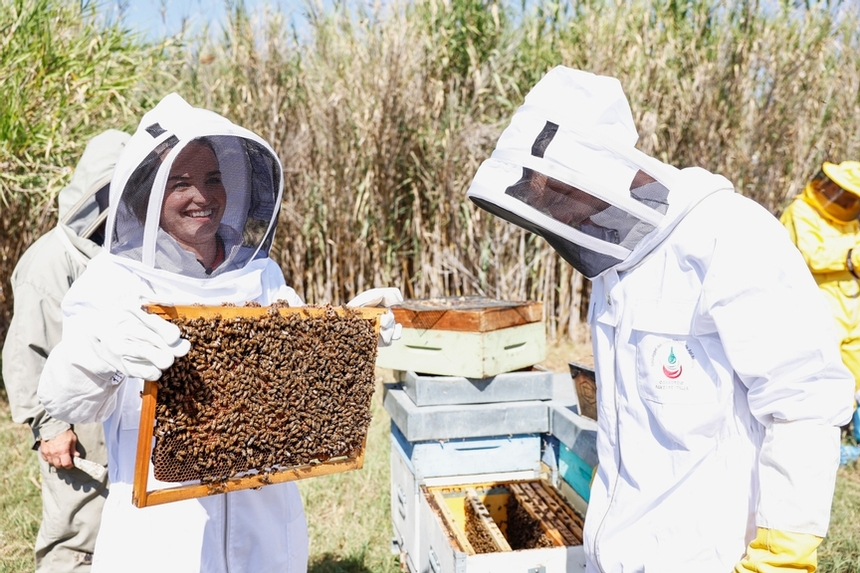
Restoring Ecosystems and Preventing Wildfires
Sardinia, Italy
Legacy work with MEDSEA continued to restore land after wildfires in 2021 destroyed 20,000 hectares of land. Joined by Scientific Committee members Peter Wadhams and Lucy Woodall, Extreme H supported the planting of half hectare nectar forest of trees, shrubs, and flowering plants, to provide resilient habitats for bees, who play a key role as pollinators on the island.
IoT early wildfire sensors from Vodafone Business were installed throughout Santu Lussurgiu Forest to enable faster emergency responses compared to traditional monitoring methods, while Tree Growth Monitors were also installed to monitor the Forests' progress.
-
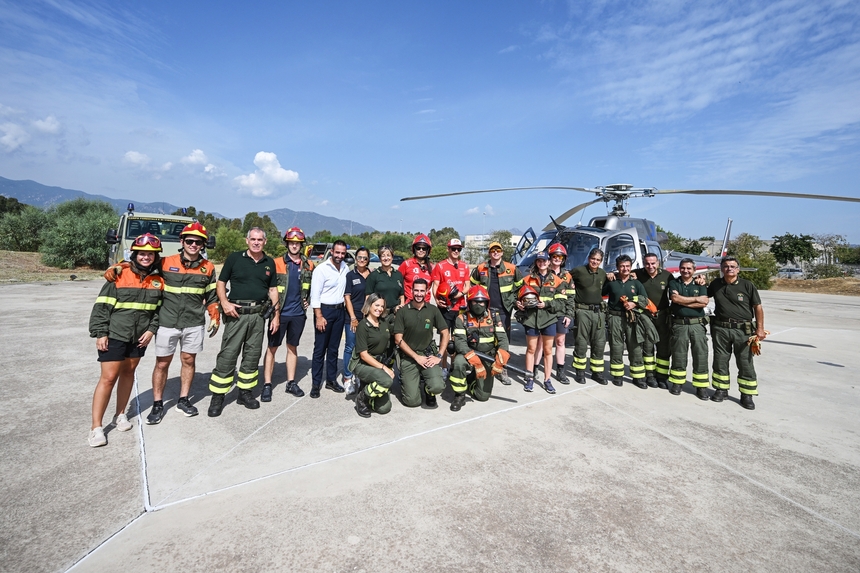

Tackling Wildfire Risk
Sardinia, Italy
Extreme E drivers accompanied by Professor Richard Washington, visited Cagliari’s Regional Civil Protection Operations Centre to understand how aid relief is organised and coordinated across Sardinia during a climate emergency such as wildfires, which have become ever more prevalent across the island.
The team also visited the Sardinian Forest Service (CFVA - Corpo Forestale e di Vigilanza Ambientale) helicopter operating base in Pula. With the base making up part of 11 helicopters across the island, they bases have proved vital in supporting fire crews tackling wildfires across Sardinia. Drivers meet the men and women who are on the front line to understand how the local authorities respond to the wildfire crisis and take part in a response simulation.
-
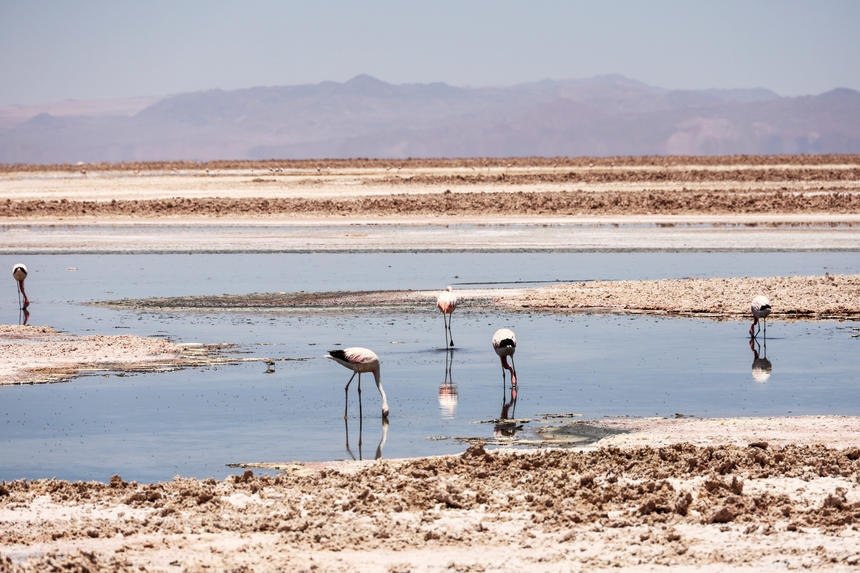

Safeguarding Flamingos in the Atacama Desert
Atacama Desert, Chile
With Andean, Chilean, and James varieties of Flamingoes traditionally thriving in the Atacama Desert, one of the driest places on Earth, populations had been declining due to rising temperatures and human activity in the area.
Extreme E drivers and Professor Carlos Duarte assisted in the delivery of important equipment such as high-resolution binoculars and monoculars to support the rangers with their crucial work in environmental conservation. The monitoring, carried out by CONAF (‘Corporacion Nacional Forestal’) and supported by Force For Nature, was part of a wider project to help safeguard vulnerable flamingo populations.
-
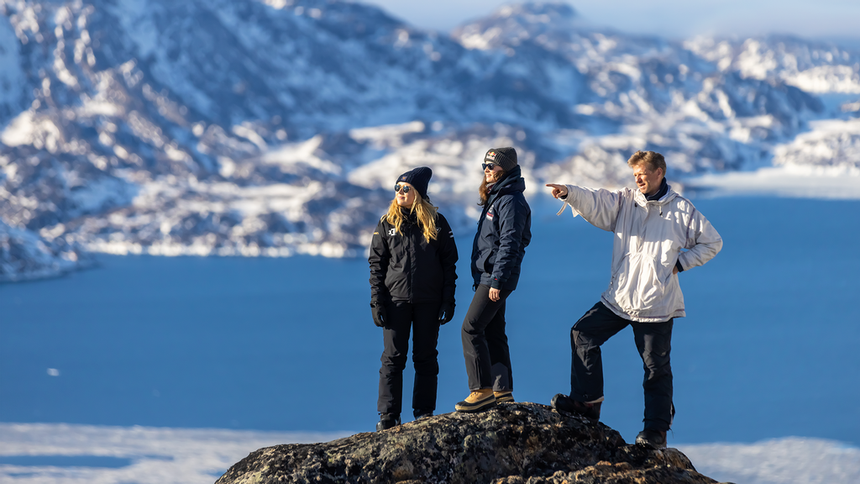
Expanding Climate Education and Sample Collections
Kangerlussuaq, Greenland
During its third visit, Extreme E drivers Catie Munnings and Klara Andersson returned to Kangerlussuaq to monitor the progress of its 2021 UNICEF education programme, which was taught in Greenlandic so that it was accessible to all. The programme had engaged 85% of Greenland’s 8th to 10th grade students, inspiring young minds to become change agents for climate action.
The drivers also delivered a workshop in the town of Sisimiut, and guided students to take on a makeshift track in their sustainably powered electric go karts. With direction from Professor Peter Wadhams, Arctic Expert, the drivers also collected ice samples from the Russell Glacier to be analysed at the University of Turin for microplastics and potential wildfire ash particles.
Season 4
Season 4 - 2024
-
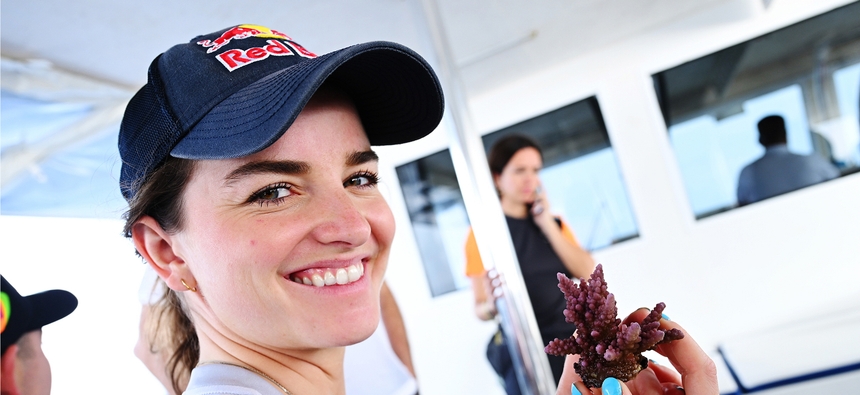


Coral Reef Restoration
Jeddah, Saudi Arabia
Under the guidance from Scientific Committee Member Carlos Duarte, Extreme E supported a collaborative project to conserve and restore coral reefs, involving G20 Coral Research & Development Accelerator Platform (CORDAP), King Abdullah University of Science and Technology (KAUST) and Ocean Revive.
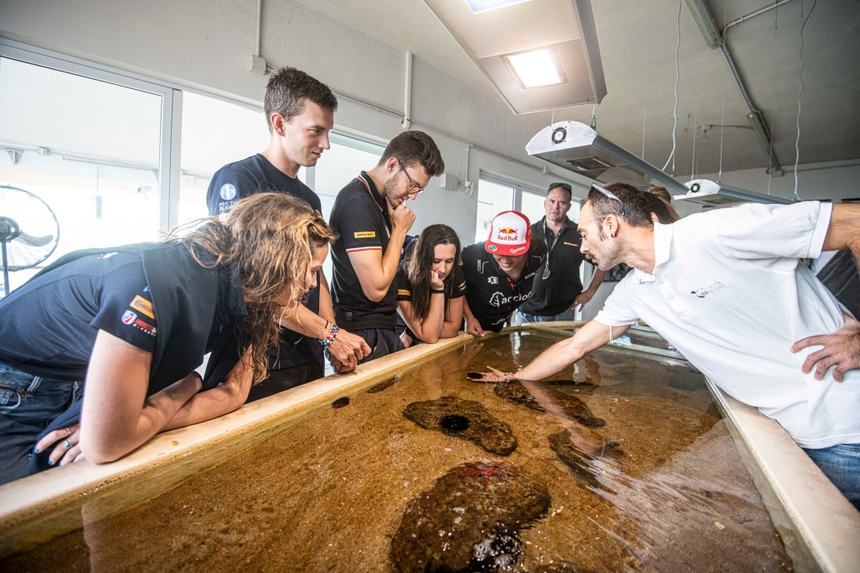
Coral reefs are critical for the survival of one in four of all marine animal species in the ocean, and support the livelihoods of an estimated one billion people. Extreme E drivers undertook a coral planting exercise in the ocean and visited KAUST’s state-of-the-art marine research facilities to learn about their support of the delivery of the largest coral nursery and gardening project in the world, at Shushah island.
-
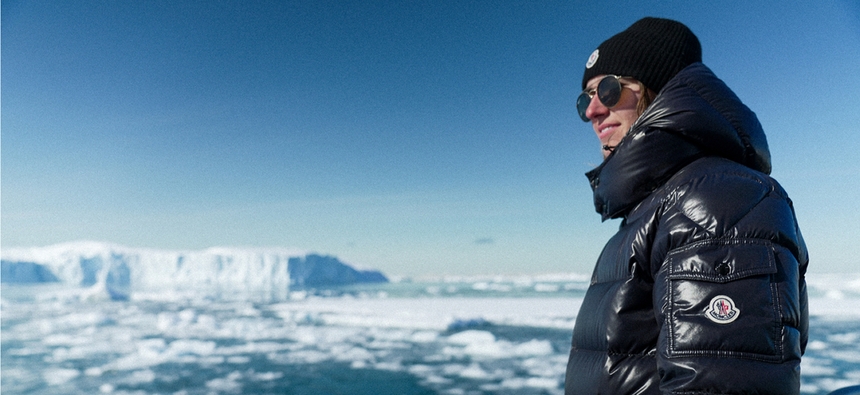
Shedding Light on Accelerating Ice Loss
Kangerlussuaq, Greenland
Guided by Science Committee Member Richard Washington, Extreme H drivers Hedda Hosås and Andreas Bakkerud visited the Greenland Ice Sheet, to hear first hand about the continuing impacts of climate change.
The pair also visited the Kangerlussuaq International Science Support facility before hearing from local inhabitants, about how their daily lives were being affected by the changing climate, from reduced dog sledging seasons to daily life to rapidly changing rainfall patterns.
-
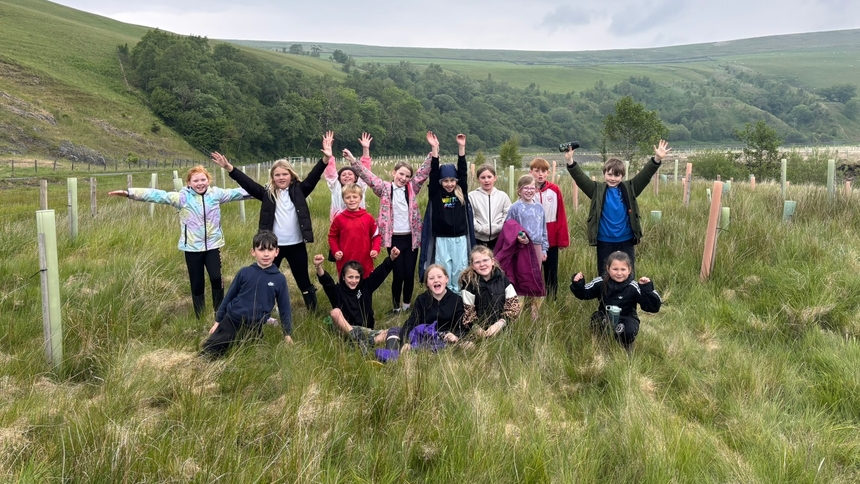
Restoring Critical Salmon Habitat
River Nith, Scotland
At the Hydro X Prix, Extreme E continued supporting the Nith District Salmon Fishery Board’s protection of critical breeding grounds of Atlantic salmon, supported by Scientific Committee Members Richard Washington and Lucy Woodall. Drivers on the day learnt population monitoring methods and participated in willow spiling, a traditional green-engineering technique to retain the walls along the river.
Prior to the race, drivers Catie Munnings and Kevin Hansen visited the river with local pupils to witness the progress made upon the previous year, which over 1200 trees had been planted, which keeps the water at livable temperatures and prevents riverbank erosion. They also visited a plant nursery created by the legacy programme, which provides a steady supply of seedlings whilst serving as an education facility to engage students. The group also revisited water sensors provided by Vodafone Business, which were a key mechanism to monitor the project’s progress.
EXTREME H
Season 5 - 2025
-
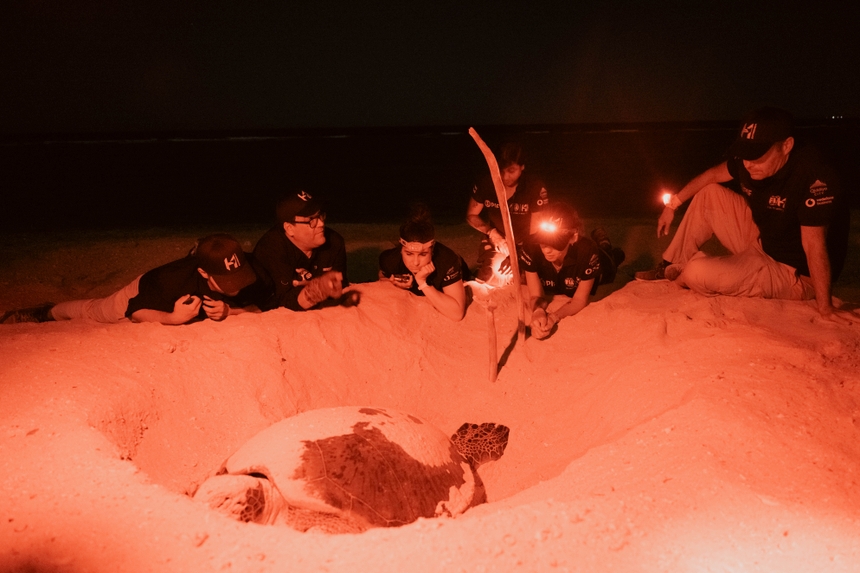
Red Sea Turtle Conservation
Ras Baridi, Saudi Arabia
The Red Sea Turtle Conservation Initiative in its fifth year, continued to protect endangered Green and Hawksbill turtles along the Red Sea coast. Extreme H senior team members visited Ras Baridi beach, to witness first-hand the work which the wardens carry out in protecting and rescuing nesting turtles and hatchlings.
Since the Initiative’s establishment in 2021, 4949 hatchlings were rescued and diverted back to sea, 850 nesting females were studied and tagged, including rescuing 15 from severe injury and death, 836 kilograms of rubbish was removed from the nesting habitat, and over 712 people were reached in educational sessions.