How Safety Shaped the Pioneer 25, From Crash Tests to the Paddock
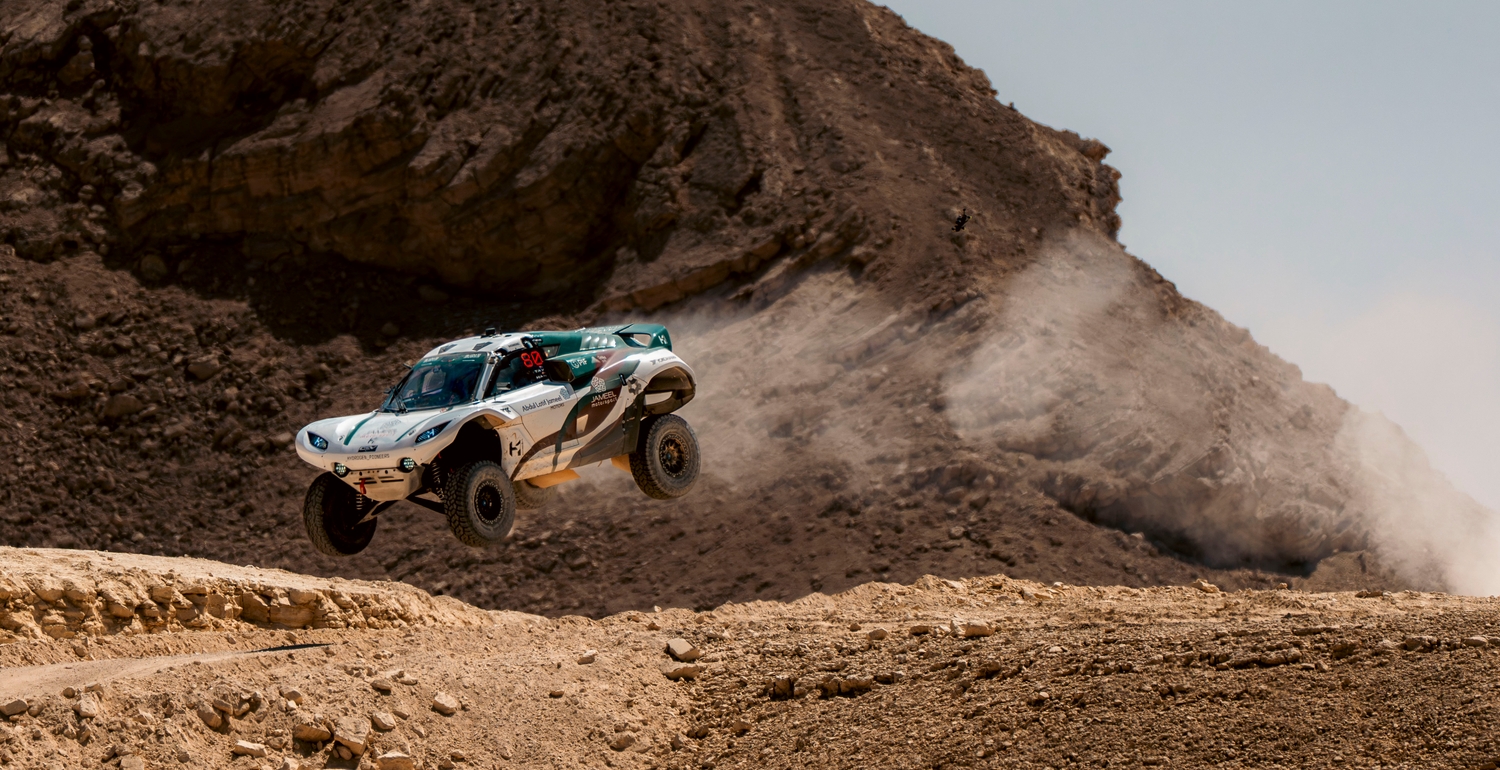
London, UK, 12 November 2026: With the roll-out of any new technology, safety is always a key concern, and it is no different at the FIA Extreme H World Cup.
The word hydrogen naturally sets off alarm bells for the uninitiated, and with racing – by its very nature – being volatile, those concerns were rather vocal from the outside ahead of Extreme H’s debut. As fans now know, those concerns were unfounded, and Extreme H has perfectly demonstrated the safety and usability of hydrogen technology.
“One of the big benefits of the Extreme H World Cup is that it showcases that it's a technology which is not rocket science, it works, and it is safe,” said Serge Grisin, who at the time led the Motorsport and off-road units at Symbio, Extreme H’s Hydrogen Fuel Cell provider. “To be honest, the final race scenario in 2025 could not have been better with a very nice show and intensely competitive racing, resulting in some cars running off the track and rolling over.
“So that, I think, was the best scenario to showcase that hydrogen is performant and it's safe.”
With traditional cars, functionality came first with safety following. But with hydrogen technology being relatively new, it’s learnt from a century of traditional cars, all while having safety at the forefront of the thinking behind it right from its gestation.
“One of the big benefits from motorsport is to make the technology visible and accepted,” said Grisin. “There are a lot of devices compared to a standard car which make the car much safer than any gasoline car because safety has been taken into account at the beginning of the development of the technology.
“Because of these fears, it's part of the design to say it's designed to be safe. There are a lot of sensors, a lot of materials, because the fuel cell contains hydrogen.”
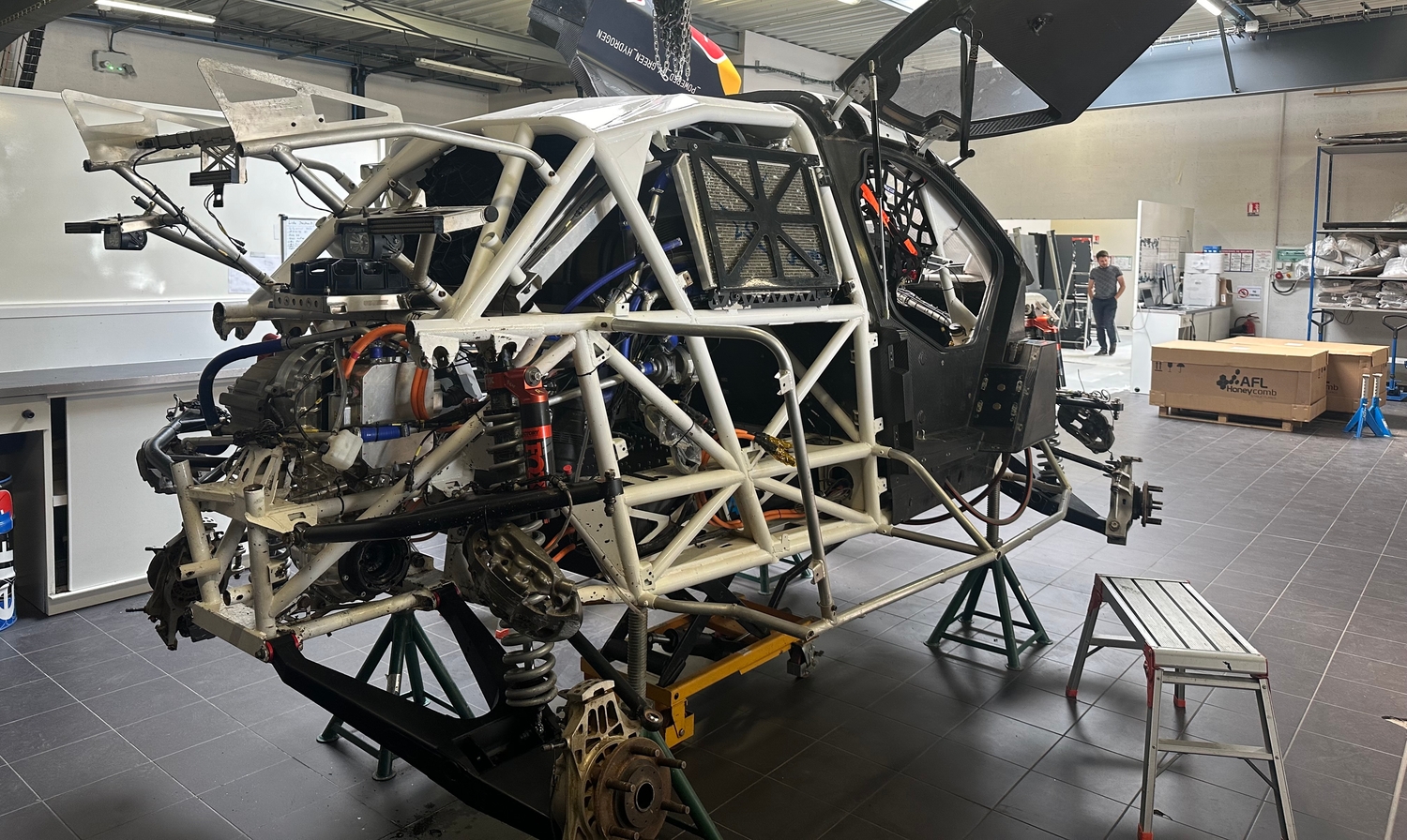
Part of the testing process involved FIA crash testing procedures, which meant that while the Pioneer 25s hydrogen fuel cell technology finds its origins in existing technology, it needed to be adapted to satisfy the FIA’s criteria.
These specific requirements had a large impact on certain components of the fuel cell system, which in turn influenced the software and onward safety concepts, ensuring the system is 100 per cent safe in any conditions, and specifically in racing conditions.
The FIA crash tests were extreme and put the Pioneer 25 through scenarios far beyond what it can ever expect to face on track, let alone normal consumer vehicles. “The FIA’s role across all of motor sport is to continually push the frontiers of research and development into safety systems, technologies and procedures,” said Xavier Mestelan-Pinon, the Federation’s Chief Technical and Safety Officer.
“Whenever there is a new type of technology that can have an application in motor sport, we have a huge amount of work to do to analyse, test, and define the parameters for how it can be used. Then once that is done, we work with our partners, suppliers and competitors to deploy and monitor the safety standards and make sure everything is being done to the right level to keep the competitors, officials and fans safe.”
Extreme H’s Technical Director, Mark Grain who led the Pioneer 25 project on the company side, said of the crash tests: “There were two types of impact, with two chassis mounted in two different positions. One was sitting on its belly mounted against a fixed wall, and the other replicated a pole weighing 2.3 tonnes being driven into the side of the chassis at 60km/h. And while 60 kilometres per hour doesn't sound like a lot, it is because of the inertia. It’s a hugely violent test.”
“We had H2 tanks, fuel cell and pipework fitted and pressurised, and I'm pleased to say that nothing was damaged, even though the criteria would have allowed us to have damaged some of those elements.
“The second orientation was the chassis mounted on the wall at 45 degrees, and a different-shaped impact sledge with the same weight and at the same speed was driven down into the roof. Again, we didn't get anywhere near any of the components.”
Aside from its robustness in crash situations, the hydrogen tanks themselves are bulletproof – literally.
“It's been proven that you can fire high-velocity, high-calibre sniper rifle bullets at them, and the tanks just shrug it off,” Grain said. “I understand the public perception, and I think that part of our responsibility is to dispel these.”
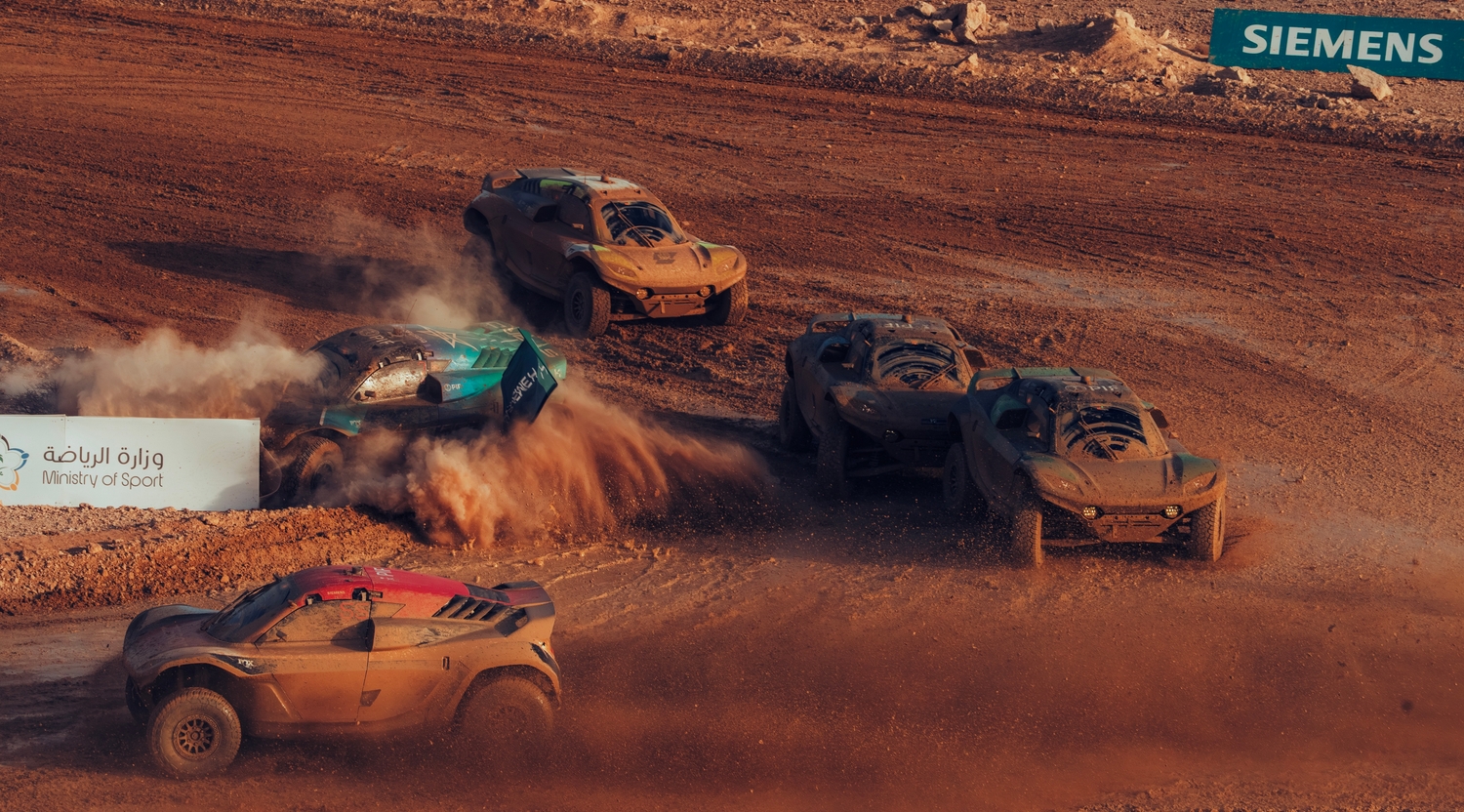
But while crashing and racing are the go-to thoughts for many, the Pioneer 25’s safety concerns also revolve around the car when it’s off-track. A racing car spends most of its time in the paddock, surrounded by people at close quarters, and being pulled apart for intense maintenance.
“When we talk about racing conditions, we also need to take into account the fact that the car will enter the paddock, will be dismounted and remounted very often,” said Grisin. “It's different compared to a standard car, which normally stays like it is, except in very specific situations.
“So it's also a major factor that has been taken into account with the safety concept to ensure safety in any type of situation, from the race track, staying in the paddock or during transportation.
“We wanted to race a system which initially had as many standard components as possible, so to allow for their ease of removal for the maintenance of the car. So it's not only about having the car optimised for the performance and handling, but also for the maintenance.”
Safety may have been a key consideration in the development of the Pioneer 25 and its fuel cell, but for the men and women driving the car, it wasn't an overbearing thought.
“It’s like an electric car for us in the cockpit,” said two-time Extreme E champion and 2025 Extreme H Time Trial winner Johan Kristoffersson. “We got a good brief from Spark [Racing Technology, the manufacturer of the Pioneer 25 fleet], which explained everything to us, and for me it was quite straightforward in terms of the safety aspect.”
Gray Leadbetter, 2025 ZEROID Motorsport driver, added that while the word ‘hydrogen’ conjures up some unfounded fears for many, it “wasn't really too big of a deal”.
“It's definitely nerve-wracking when you hear the title,” she admitted, “but obviously we're not going to go racing if it's not safe. The Extreme H team do a really good job of explaining the systems to us and briefing us on safety before you even step foot into the car.
“It’s clear to us they definitely take safety as number one priority, and whilst it's still novel to see the word hydrogen in the title of a race car, that’s exactly what it is – a race car. You're going to go and drive it as fast as you can, if you are given that opportunity.”
With the Extreme H grid now having racked up some 550km of seat time in the cars after 2025’s inaugural event, including crashes, rollovers and a proper stress test on one of the most demanding courses on the calendar, the next edition beckons drivers to push the bounds of what the Pioneer 25’s are capable of.