Drivers prepare for FIA Extreme H World Cup Start
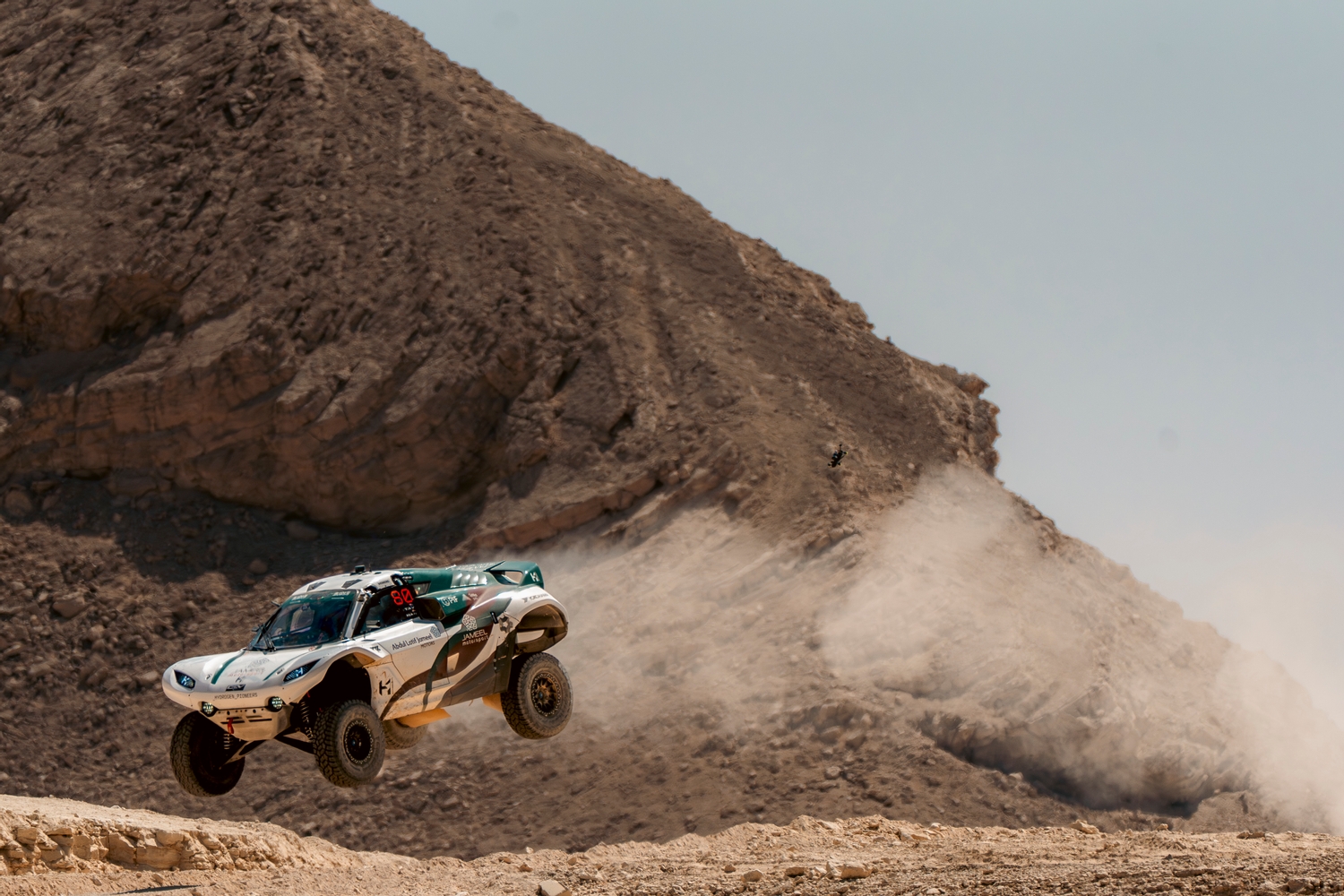
Drivers have been getting their first taste of the new Pioneer 25 hydrogen-powered race car in Qiddiya City ahead of the inaugural FIA Extreme H World Cup tomorrow.
All eight teams and 16 drivers were in action as they got comfortable with their new machine ahead of its competition debut.
“The feedback has been overwhelmingly positive and it’s been great to hear the teams are talking about how to get the best performance out of the car, rather than talking about reliability issues,” explained Mark Grain, Technical Director, FIA Extreme H World Cup. “The drivers are using all the tools that are available to them, the new tools like the Fox live valve and those damper maps are actively being used. The more toys you can give great racing drivers, the better – they love all this.”
“This is the first time ever the race teams have been using the hydrogen racing cars. The FIA Technical Team, Spark, and ourselves continue to work collaboratively to push on and get fast reliable race cars on track to put on the best possible show, as the world is watching.”
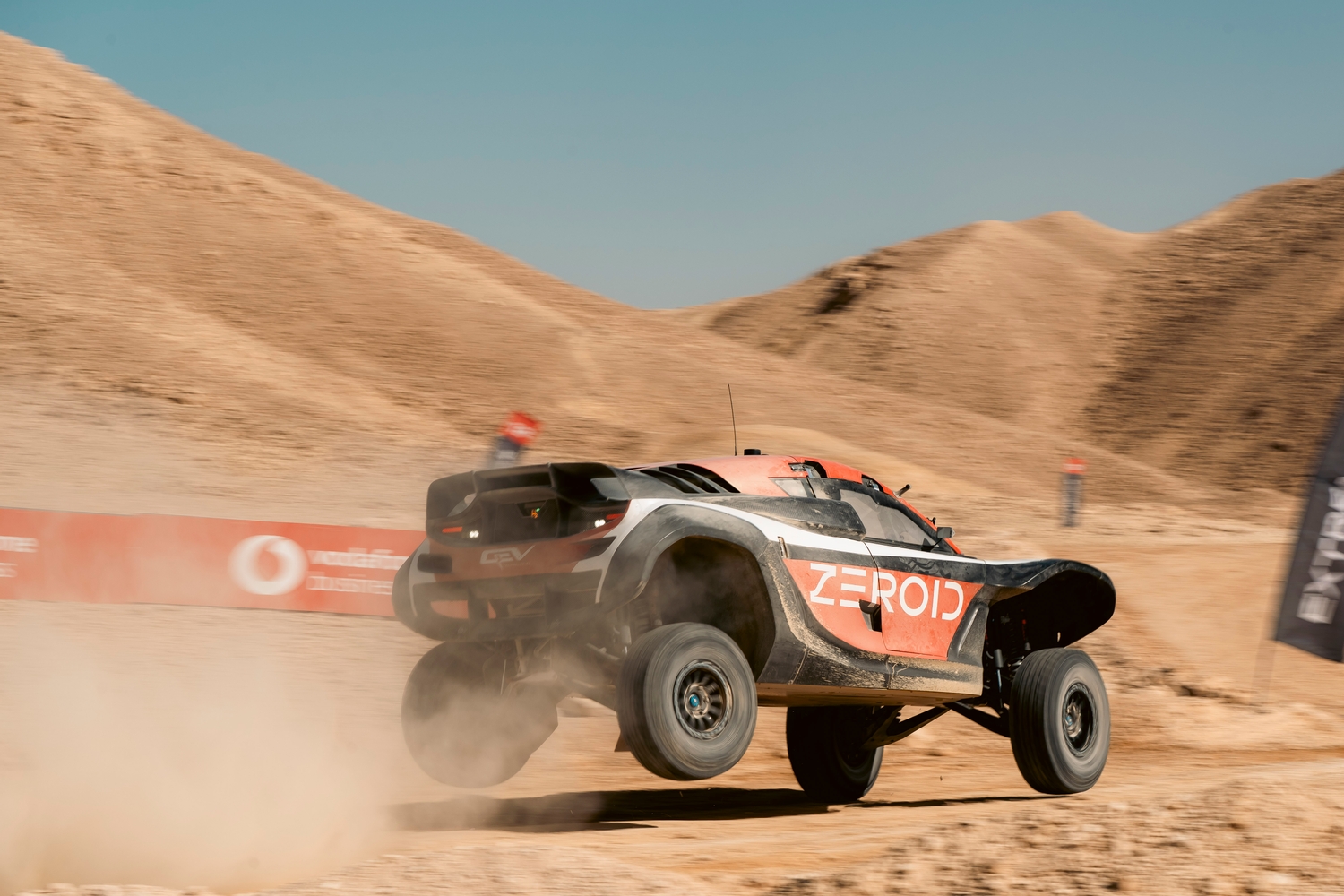
The FIA Extreme H World Cup will feature a unique multi-discipline format with drivers and teams taking on three contests before an eight-car Final race to crown the World Cup Winner.
First up is the Time Trial competition tomorrow, Thursday 9 October, where teams will take to the track individually to set the best combined times.
A new Head-to-Head competition follows on Friday, with teams running parallel down a 532-metre course in one-on-one duels.
The final day, Saturday, will feature Multi-Car races, followed by a headline eight-car World Cup Final which will decide the overall FIA Extreme H World Cup Winner.
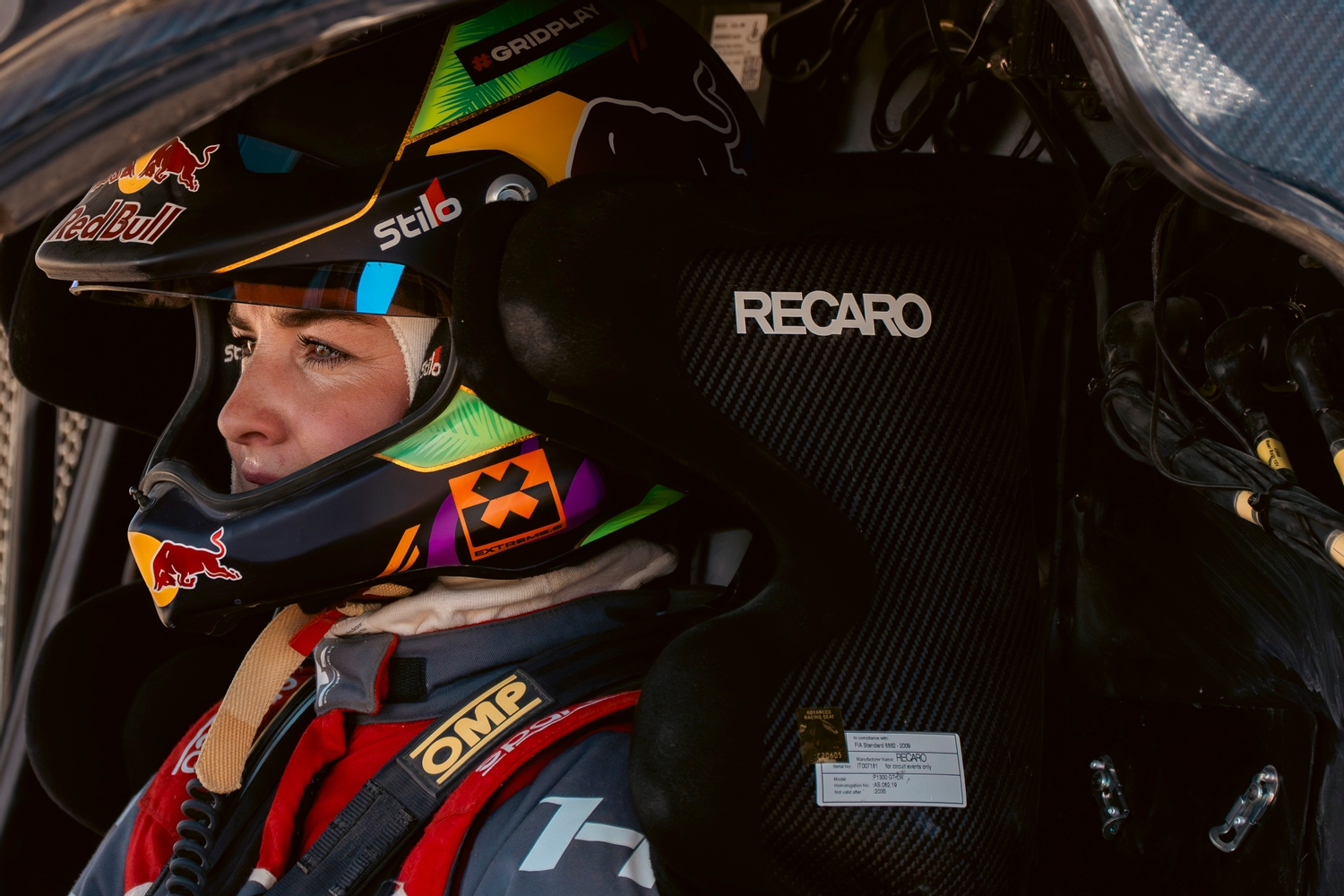
Drivers give their verdict on the Pioneer 25
In the build-up to the event, teams completed test runs on both the Multi-Car and Head-to-Head courses to get to grips with the Pioneer 25 before the competition gets underway.
Among the improvements made to Pioneer 25 over the outgoing Extreme E Odyssey 21, are changes to the suspension, balance, and centre of gravity to make the new car an all-round more capable machine than its predecessor. Not only that, but the addition of active dampers from Fox allow drivers to adjust the car on the fly to eke out even more performance.
“Driving the hydrogen car was a great step up from the Extreme E car,” said Team Hansen’s Catie Munnings. “I think the geometry, the suspension, the upgrades they've made have made it feel much more like an off-road car that's capable of hitting bigger ruts and bigger bumps.
“The suspension’s a big difference, and there's a lot for us to play with now with the active dampers. It's really exciting to be a part of that and see how the hydrogen system is also interacting with the motor to charge it while we're on track.
“It's been an intense couple of days, but I'm really happy with the car and I really enjoy going out on track in it every time.”
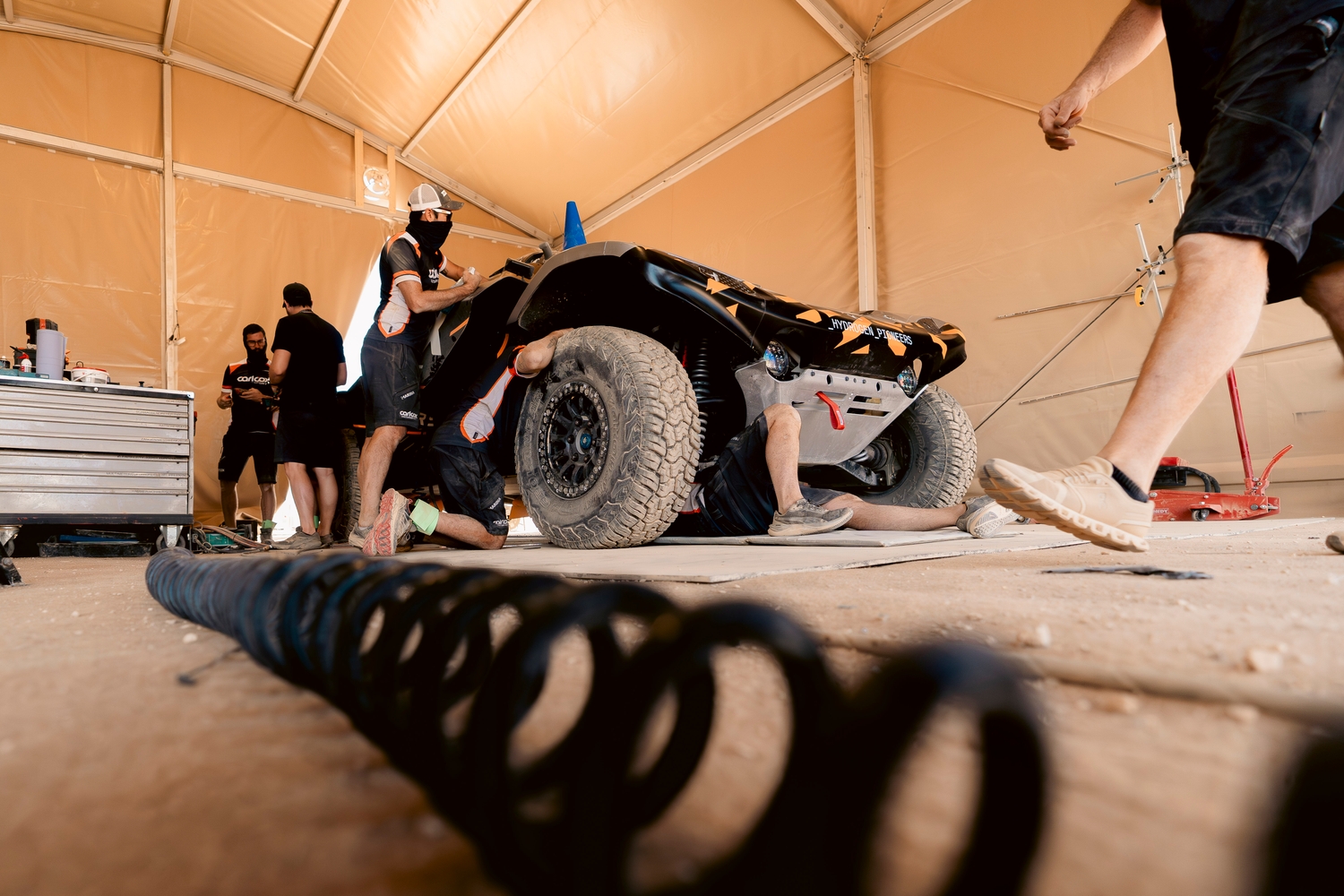
Drivers also spoke about how there is more scope for adjustment with the Pioneer 25, meaning drivers and teams can have even more influence on how it performs than ever before.
“There's so many more options in terms of the setup of this car, so it's quite a lot to try and get your head around in a couple of laps,” said Jameel Motorsport’s Molly Taylor. “All the teams are working hard to try and find what the sweet spot is, because there's a bit more scope in this car, so potential for a bit more performance. It's just about how we can all find that as fast as possible.”
Johan Kristoffersson, Extreme E's only two-time champion and its race win record holder, echoed Taylor’s sentiments, and said that much of his and his Team KMS team-mate Mikaela Ahlin-Kottulinsky’s track time was spent working on refining their car’s setup.
“We have tried a few different things, it's a lot of things to learn on the new car,” he said. “The new car is a little bit more responsive to setup changes compared to the E car, it feels like an evolution or development. There are some things that are a bit more sophisticated on this car, so that makes it respond a little bit better to setup changes.”
Following runs on the Multi-Car Racing course, attention turned to the Head-to-Head contest on Wednesday, with teams making runs on the separate 532-meter long route featuring a dramatic drop – the largest jump of the event – and a chicane to add further challenge for the drivers.
“It’s been a good day with good levels of reliability,” Grain said after Head-to-Head practice. “We've obviously got the big jump, all the vertical G loads and everything that that entails, and I’m pleased to say that the car has really responded well with all of the teams.
“The car flies nicely, and the drivers can control that by running off the power and braking moments at key points in the run.”
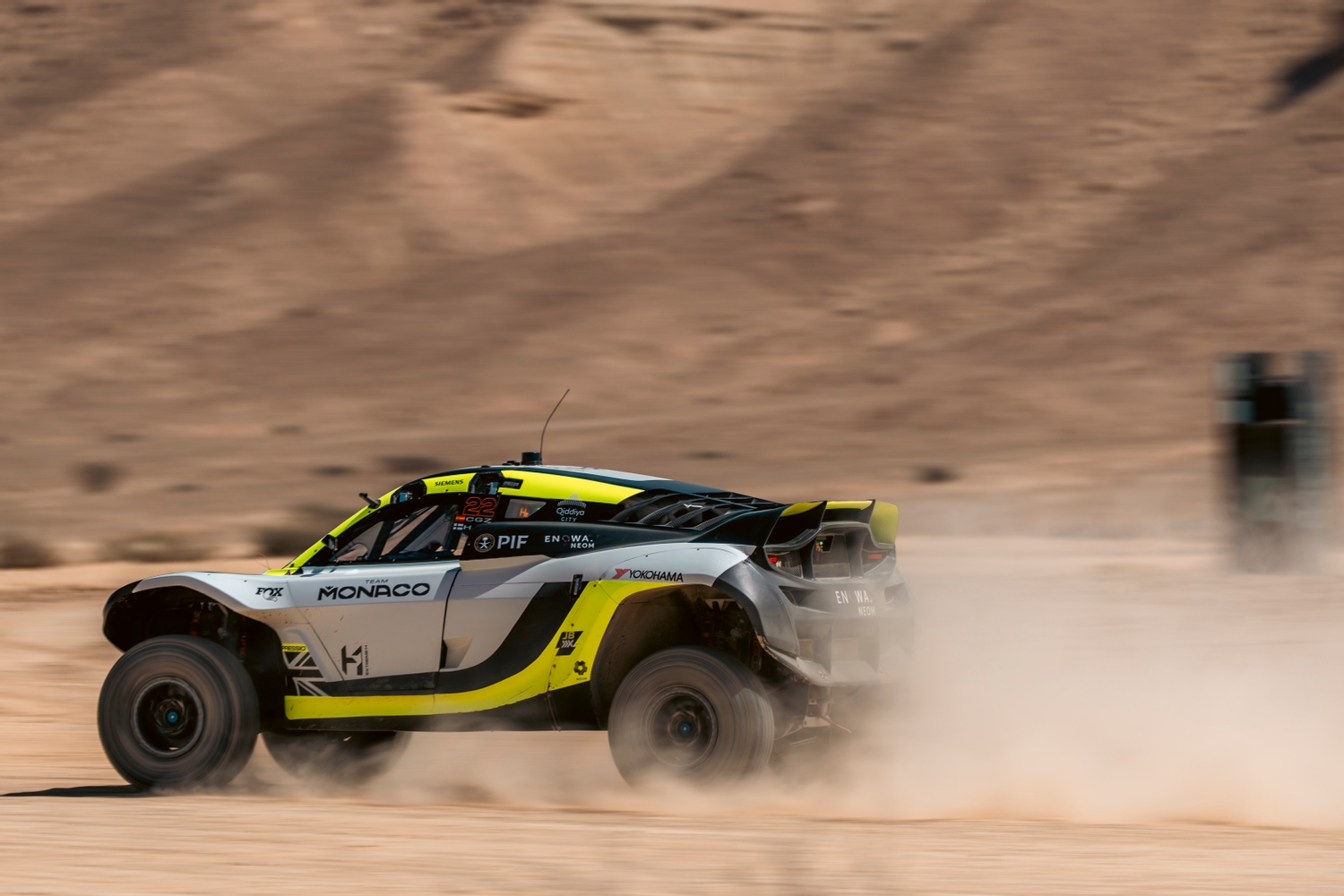
As well as being another sporting element, the Head-to-Head competition adds another layer of intrigue for teams, with it requiring a different approach in terms of car setup and vehicle management.
“The format change is very interesting,” commented STARD’s Amanda Sorensen. “It gets the engineers involved by doing head-to-head races and getting your car as fast as possible, but also getting the drivers to where they have to put their game face on going into the Heats and the Finals.
“There's a lot that our team has focused on for the Head-to-Heads: the torque right off of the starting line, the suspension on braking and turning through the chicane, and just overall power of the car – power distribution, front to rear, handling of the car going through the chicane.”
And again, the addition of FOX’s new active dampers mean that as well as teams having more freedom to craft the perfect setup for each discipline, drivers can continue to refine from behind the wheel.
“We ran through different programmes on the settings for dampers, for the traction, for the power mappings, for the torque distribution,” said Carl Cox Motorsport’s Timo Scheider. “There's many options where and how we can change the car behavior and traction from the start, after the chicane and after the jump or over the jump.
Teams will be hoping their hard work over the last two days will pay off when the first-ever FIA Extreme H World Cup kicks-off tomorrow, Thursday 9 October, with the Time Trial contest.